
Weight Management:
A Comprehensive Overview

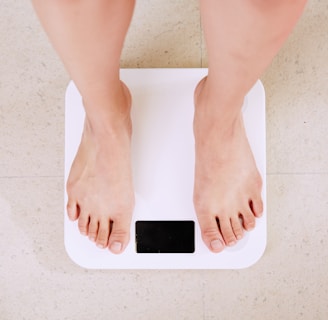
Weight Management: The Essentials
1. Introduction
Carrying excess weight is a common and complex health issue. It increases the risk of type 2 diabetes, heart disease, and some cancers. Managing weight isn’t just about diet and exercise — it often requires a team approach and a plan that suits your lifestyle and health needs.
2. Screening and Assessment
Your GP will start with a full assessment to understand your health and possible causes of weight gain. This may include:
BMI and waist measurements to check if you are overweight (BMI ≥25) or obese (BMI ≥30).
Medical causes such as thyroid problems, hormonal changes (e.g. menopause, PCOS), Cushing’s syndrome, or medications that may promote weight gain (like antipsychotics or corticosteroids).
Eating habits to identify patterns such as binge or night-time eating, which may need tailored support.
3. Lifestyle Management
Diet
The best diet is one you can maintain long-term. Some well-studied options include:
Mediterranean diet: rich in vegetables, fruits, whole grains, lean proteins, and healthy fats.
Low-carbohydrate plans: may suit people with insulin resistance or diabetes, with medical guidance.
Intermittent fasting: such as the 16:8 or 5:2 methods, which can help with calorie control.
Meal replacements or portion-controlled diets: useful when structure and simplicity help you stay on track.
Exercise
Regular physical activity supports weight loss and improves overall health:
Aim for 150–300 minutes of moderate activity each week (like brisk walking or cycling).
Include 2 sessions of strength training weekly to maintain muscle.
Add incidental activity — small habits like taking the stairs or walking between errands make a difference.
4. Medical Options
If lifestyle changes alone aren’t enough, your GP may discuss medications. These are considered if:
Your BMI is 30 or higher, or
Your BMI is 27 or higher and you have related conditions such as diabetes or high blood pressure.
GLP-1 receptor agonists (e.g., semaglutide, tirzepatide)
These newer medications have changed how we approach weight loss. They work by helping you feel full sooner, reducing appetite, and stabilizing blood sugar. In Australia, these are available under prescription and must be used with medical supervision.
Other prescription options may also be discussed based on your medical history and suitability.
5. Surgical (Bariatric) Options
For some people, weight loss surgery may be appropriate when:
BMI is 40 or more, or
BMI is 35 or more with weight-related health problems.
Surgery can lead to significant and long-lasting results, but it requires lifelong dietary and medical follow-up.
6. The Team Approach
Successful, long-term weight management often involves:
Dietitian: for personalised nutrition advice.
Exercise physiologist: for safe, tailored activity plans.
Psychologist: to address emotional or behavioural eating.
GP or endocrinologist: for regular review and medication support.
Bariatric Surgeon: when bariatric surgery is an option.
Conclusion
Managing weight takes time and teamwork. With a balanced approach — combining healthy lifestyle changes, medical options when needed, and emotional support — it’s possible to achieve meaningful and lasting results. New treatments like GLP-1 medications are giving many people new hope in their weight management journey.
Recommended Apps:
Noom: focuses on behaviour change and small, sustainable goals.
MyFitnessPal: tracks calories and nutrients easily.
Yuka: scans food barcodes to reveal nutritional content and suggest healthier alternatives.
EatWise: uses AI to help track and plan your meals.
Resources:
Work hours:
Mon - Fri: 9 am - 5 pm
Emergency After Hours
For emergencies outside of practice hours, please either:
- call 000 if it's a life threatening situation
- call 13 74 25 for National Home Doctor Service
- or visit your nearest hospital emergency department
Book now:

Copyrights © Dr Ahmed Al-Obaidi